
Cardiology and Cardiac Electrophysiology Services
Dr Lancini offers a wide range of cardiac electrophysiology services, enabling treatment of all heart rhythm abnormalities.
-
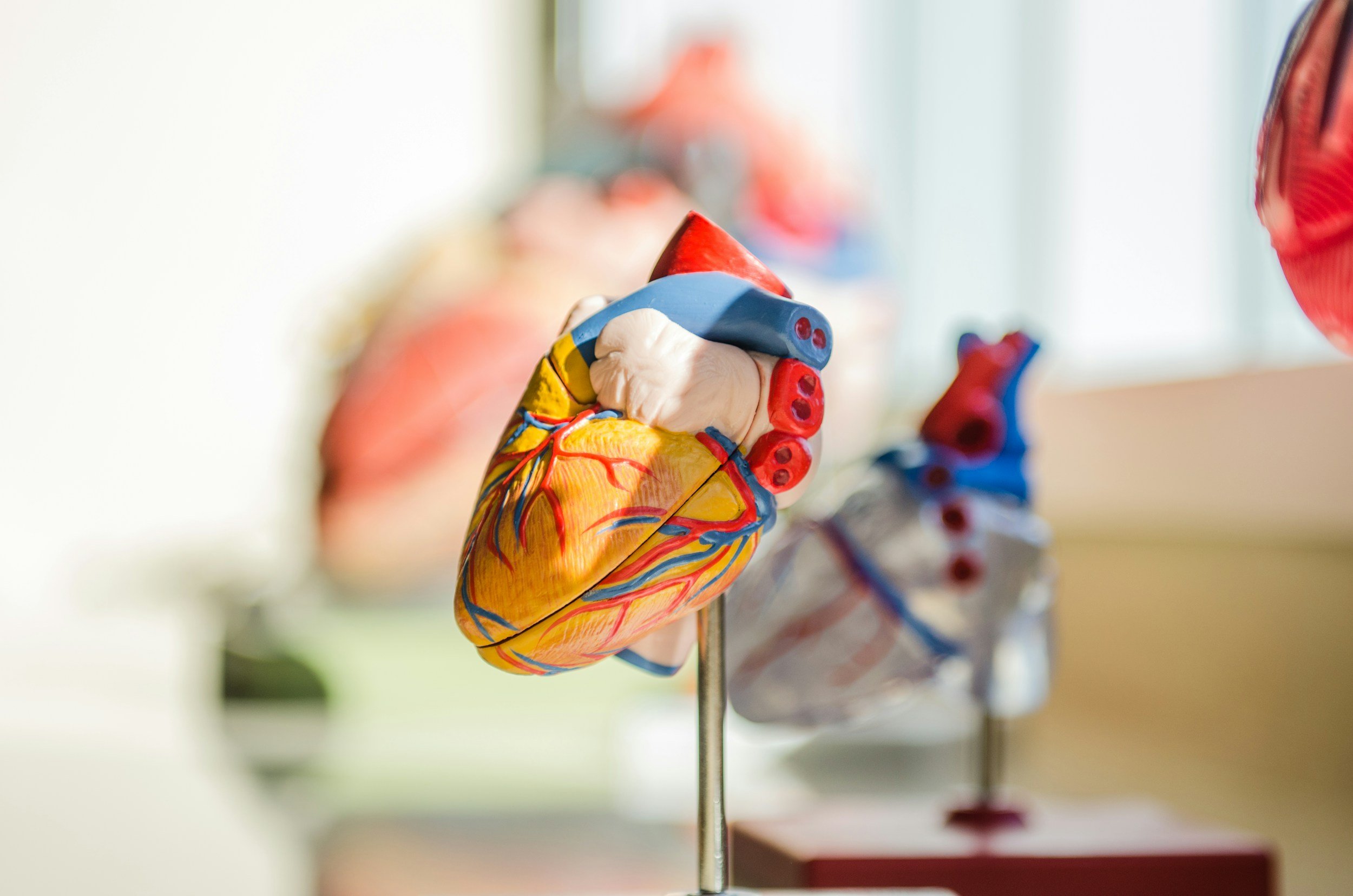
Clinical Consultation
Dr Lancini will meet with you in his consultation rooms to undertake a full cardiac assessment including discussing your symptoms and concerns, reviewing your medical history, and performing an ECG. Following this, he will work with you to undertake further investigations and formulate a management plan suited to your needs.
-
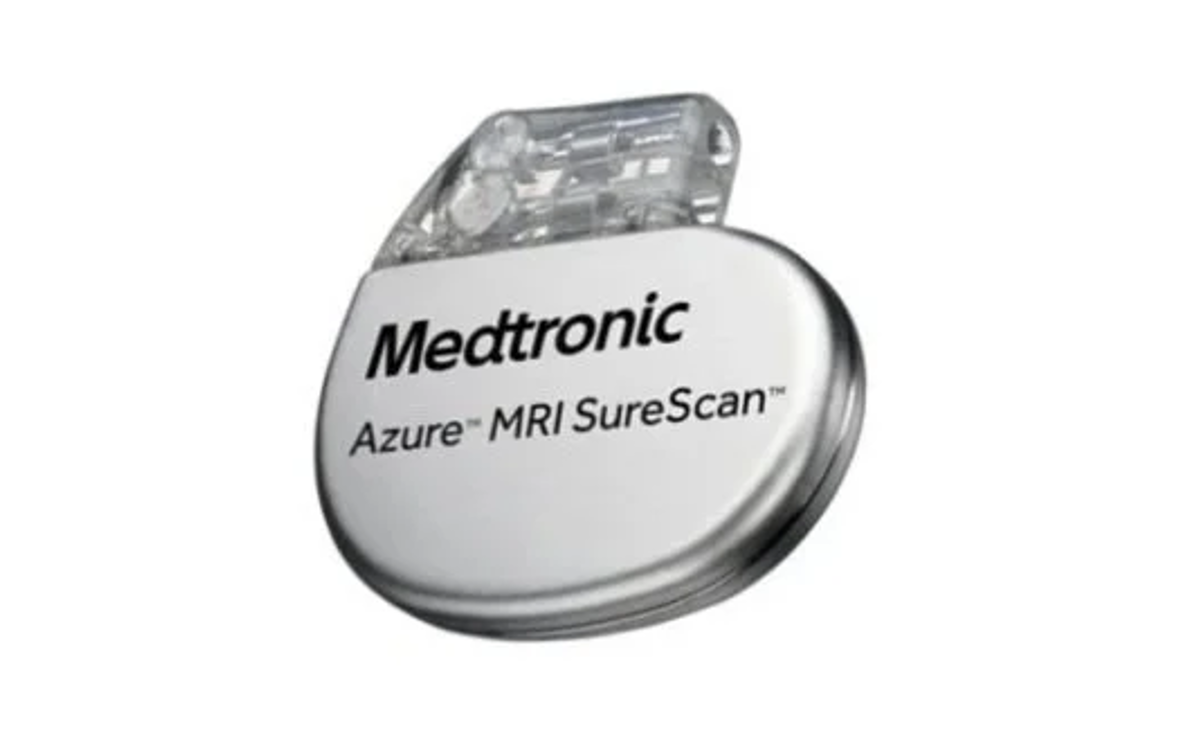
Pacemaker Implantation
Implantable cardiac pacemakers are used to treat slow heart rates, particularly when causing symptoms such as shortness of breath, dizziness or loss of consciousness.
These devices can be implanted through a short procedure. Patients are usually observed in hospital overnight and discharged the following day.
-
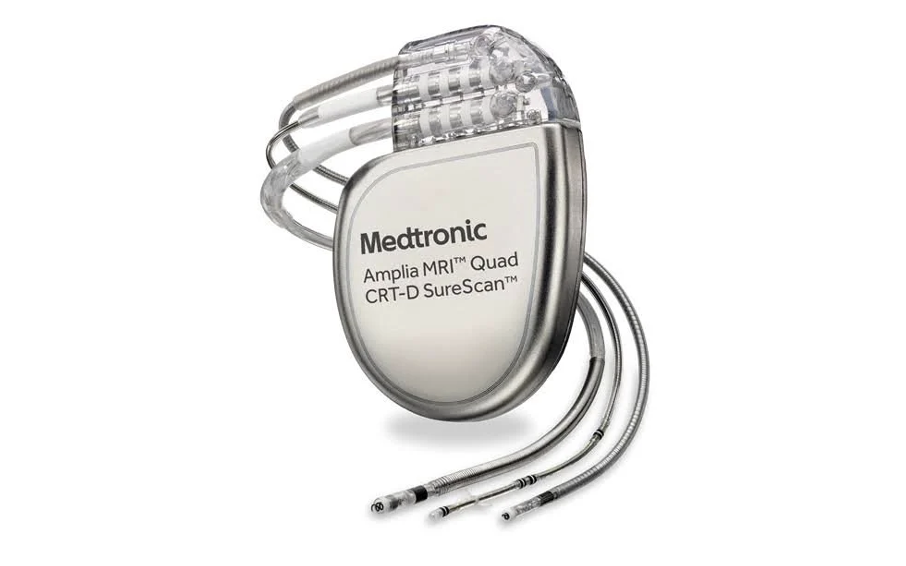
Defibrillator Implantation
Implantable cardiac defibrillators (ICDs) are used for individuals at increased risk of dangerous cardiac arrhythmias, and can be life saving in the event of a sudden cardiac arrest.
These devices can be implanted through a short procedure. Patients are usually observed in hospital overnight and discharged the following day.
-
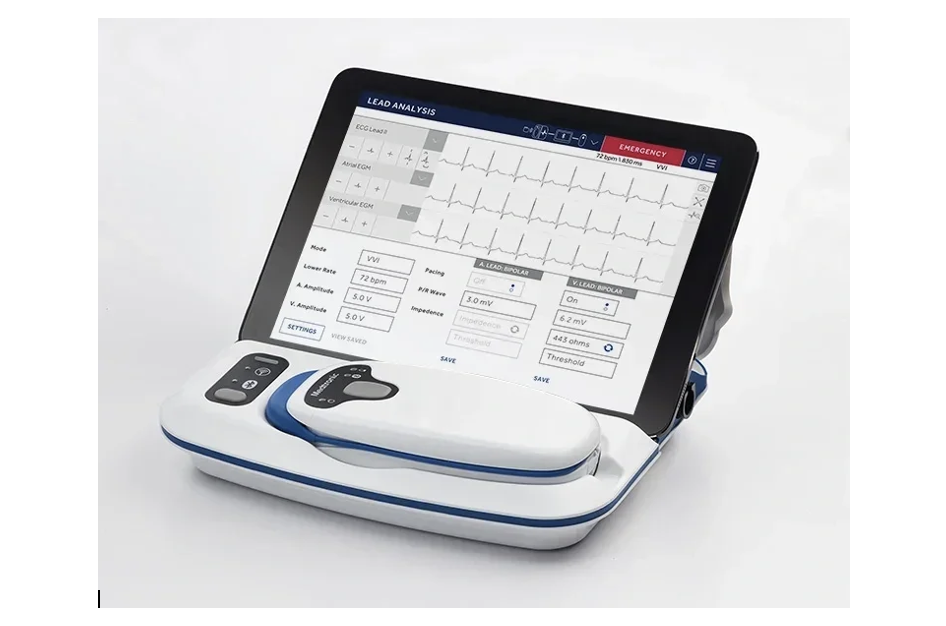
Cardiac Device Monitoring
Pacemakers and defibrillators require periodic checks to ensure adequate function, optimal programming and management of any identified arrhythmias. The battery life can also be monitored, to plan timing of generator change when required. This is all able to be performed wirelessly in Dr Lancini’s rooms at the time of your consultation.
-
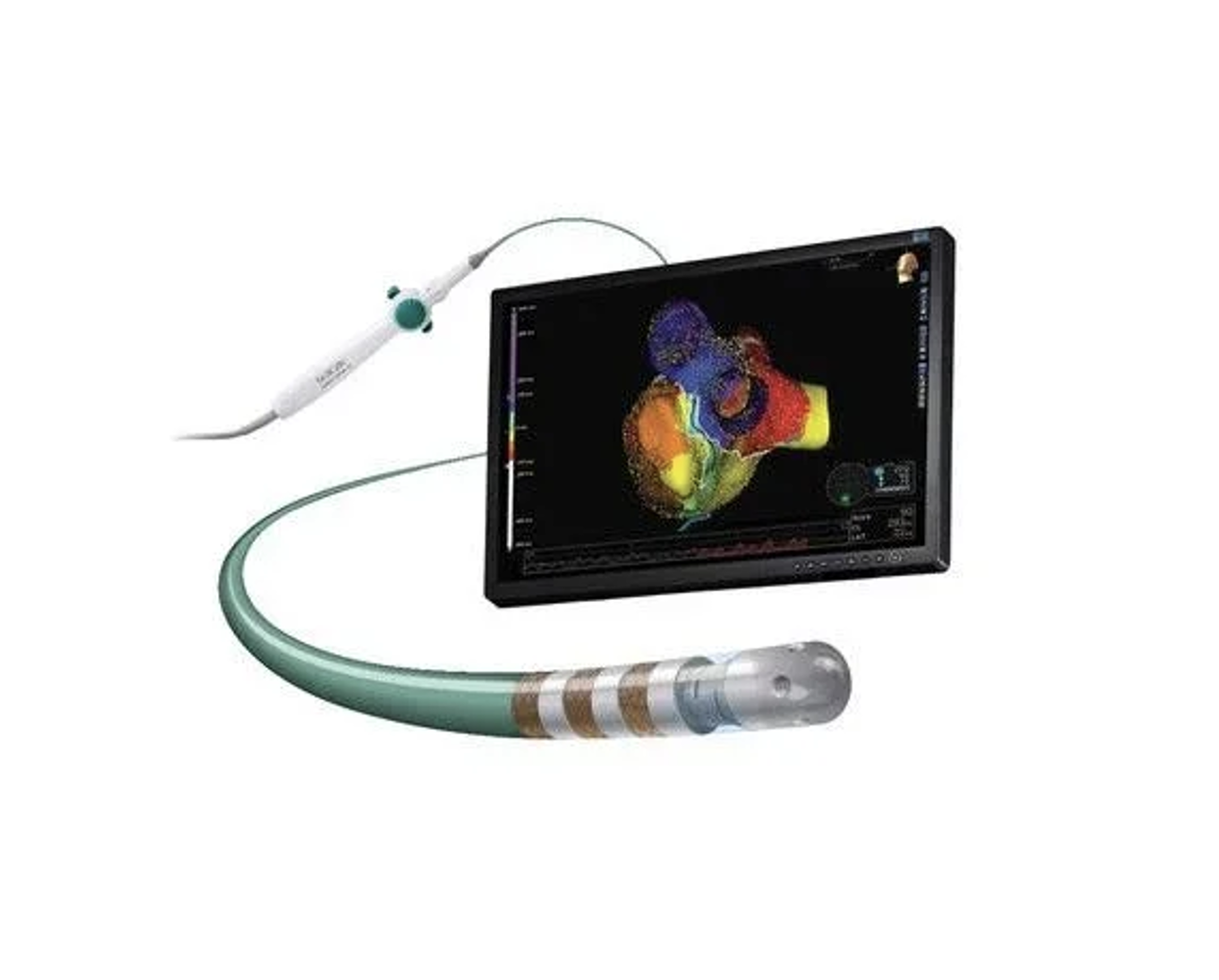
Cardiac Catheter Ablation
Cardiac catheter ablation is a minimally invasive procedure used to treat abnormal extra heart beats or rapid heart rhythms. This includes atrial fibrillation (AF), atrial flutter, SVT, and ventricular arrhythmias.
These procedures are performed by inserting thin catheters into the heart via the veins (and sometimes arteries) in the groin. Arrhythmic foci or circuits can be ablated in a targeted manner by specialised catheters. Following this procedure, patients are typically monitored in hospital overnight and discharged the following day.
-
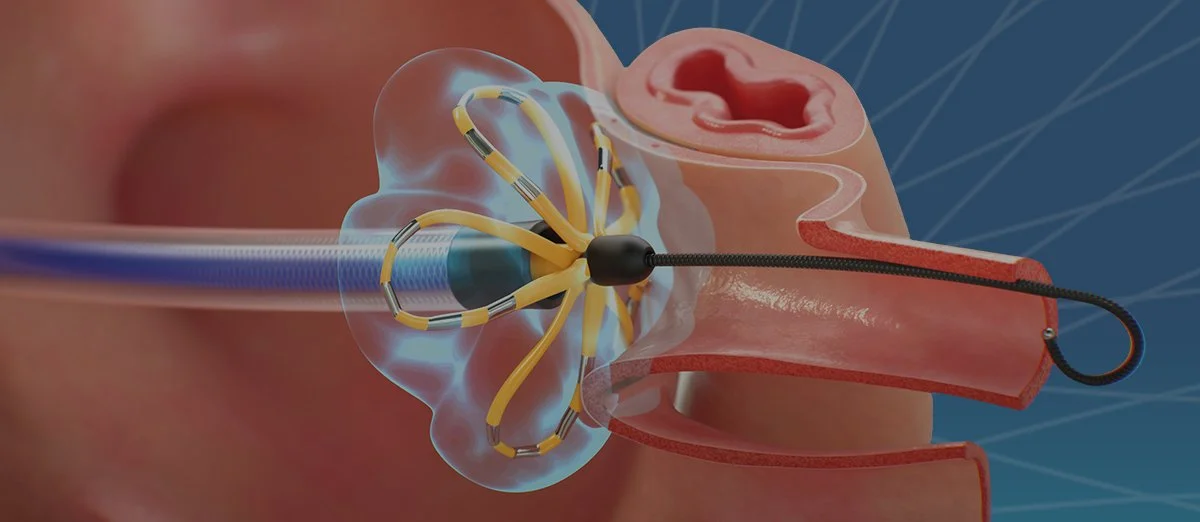
Atrial Fibrillation Ablation
Atrial fibrillation (AF) is a common condition wherein the electrical activation of the atria becomes rapid and disorganised. Clinical consequences can include symptoms (such as palpitations, shortness of breath or chest discomfort), heart muscle weakness or stroke.
AF ablation is a minimally invasive procedure designed to prevent recurrent AF episodes. This is achieved by electrically isolating the source of rapid atrial activity in the heart driving AF.
-
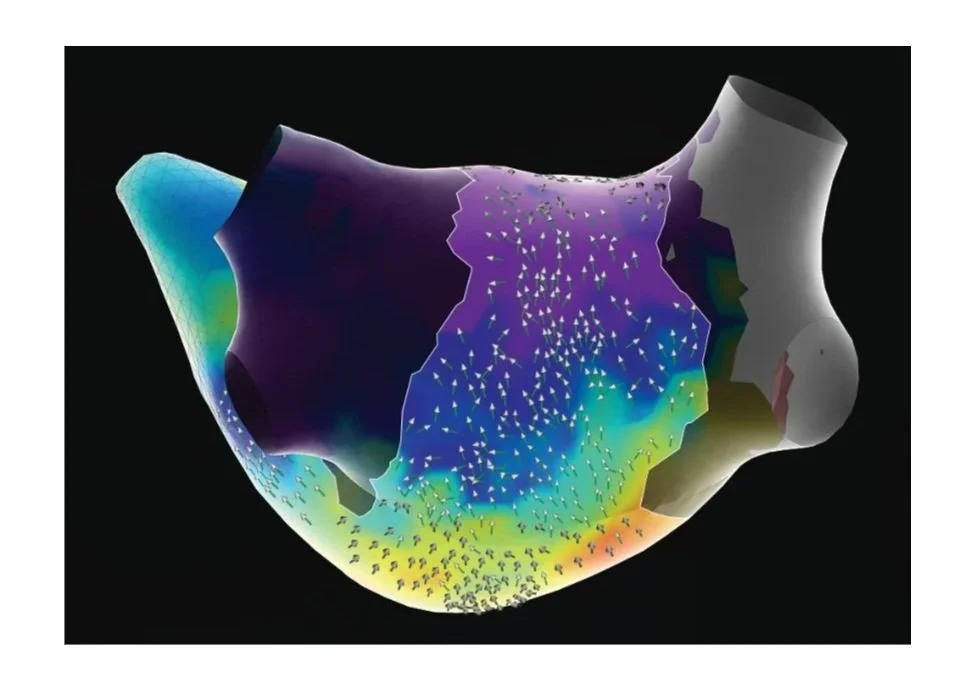
Atrial Flutter Ablation
Atrial flutter is a condition where the top chambers of the heart are caught in a continuous repetitive loop of activation, often resulting in sustained rapid heart rates. This can lead to symptoms (such as palpitations, shortness of breath or chest discomfort), heart muscle weakness or stroke.
Atrial flutter ablation is a minimally invasive procedure in which the flutter circuit can be mapped out and ablated, preventing it from recurring.
-
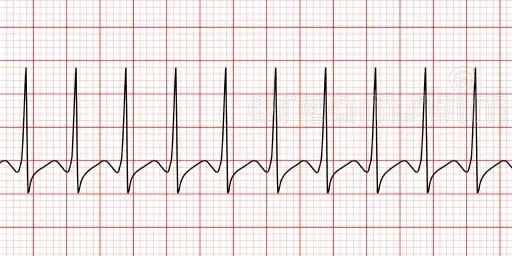
SVT Ablation
Supraventricular Tachycardia (SVT) is a group of arrhythmias characterised by a sudden onset of sustained rapid heart rates, leading to palpitations, shortness of breath, or chest discomfort. The 3 most common arrhythmias are AV nodal reentry tachycardia (AVNRT), AV reentry tachycardia (AVRT) and atrial tachycardia (AT), all of which can be treated with ablation.
SVT ablation is a minimally ivasive procedure in which catheters are introduced to the heart and used to induce and characterise the SVT circuit, which can then be ablated.
-
Ventricular Ablation
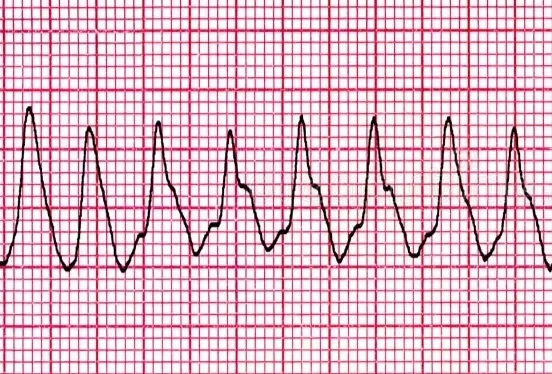
Ventricular arrhythmias include premature ventricular contractions (PVCs) and ventricular tachycardia (VT). PVCs are abnormal extra heart beats arising from the bottom chamber of the heart. VT is a rapid and potentially life-threatening cardiac arrhythmia.
During ventricular ablation, the origin of the arrhythmia (PVC or VT) is electrically identified and ablated in a targeted manner.